
Understanding the Rules of Old Maid
Have you ever found yourself at a family gathering with a deck of cards but no idea what game to play? Look no further than Old Maid! This classic card game is perfect for players of all ages, and it’s a surefire way to get everyone laughing and having a great time. Old Maid is not only easy to learn but also incredibly engaging, making it a favorite at parties and family gatherings. Let’s break down the simple rules of Old Maid so you can jump right in and start playing. Whether you’re a seasoned card player or new to the game, Old Maid offers a delightful blend of strategy, luck, and suspense. Check out Daftar tutor78 to know more
What is Old Maid?
Old Maid is a traditional card game that has been bringing joy to people for generations. Its origins trace back to the Victorian era, highlighting its enduring appeal. The game’s simplicity makes it accessible to players of all skill levels, while its strategic elements keep it interesting for more experienced players. The game is primarily about avoiding being left with the unmatchable card, known as the “Old Maid.” The game can be played with two or more players, making it a versatile choice for gatherings.
The Timeless Appeal
Old Maid has stood the test of time, largely due to its straightforward rules and engaging gameplay. It serves as a wonderful introduction to card games for children, while still providing entertainment for adults. The game’s rules are simple enough to grasp quickly, yet mastering the strategy can take practice, making it a game that grows with its players.
Cultural Variations
While the basic rules of Old Maid remain consistent, various cultures have added their unique twists to the game. In some countries, the game is played with custom decks that feature illustrations and characters specific to that region. These cultural variations add a rich tapestry to the game, offering players new experiences each time they play.
Old Maid in Modern Times
In today’s digital age, Old Maid has found a new life online. Various apps and websites offer virtual versions of the game, allowing players to enjoy Old Maid against opponents from around the world. This adaptation has kept the game relevant and accessible, ensuring that it continues to be a favorite pastime for future generations.
Setting Up the Game
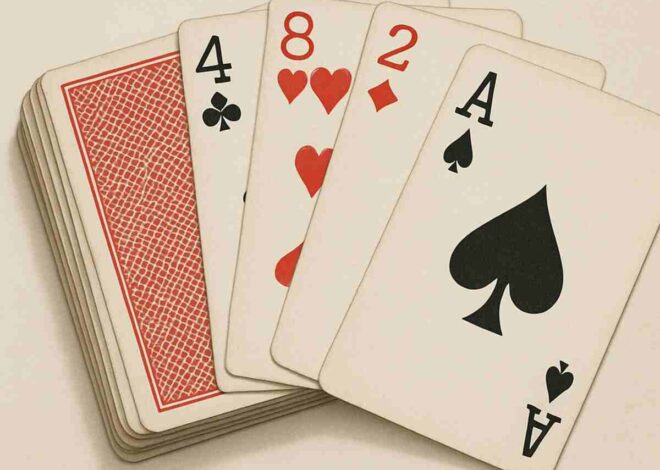
To play Old Maid, you’ll need a standard deck of 52 playing cards. However, you’ll be removing one queen from the deck, leaving you with 51 cards. This single queen will act as the Old Maid. Setting up the game is quick and straightforward, allowing more time for playing and less time for preparation.
Preparing the Deck
Before dealing the cards, ensure that the deck is thoroughly shuffled. This helps maintain an element of surprise and fairness in the game. A well-shuffled deck prevents any predictable patterns, keeping players on their toes as they strategize.
Understanding the Role of the Old Maid
The Old Maid card is the heart of the game. It is the card that players aim to avoid, as being left with it means losing the game. Removing one queen from the deck adds an element of suspense, as players anxiously await the revelation of who holds the unmatchable card.
Creating a Comfortable Playing Environment
Choose a comfortable and well-lit area for the game. A spacious table where everyone can easily reach the cards is ideal. Ensure that all players have enough room to keep their pairs organized and visible, which aids in keeping track of the game’s progress.
How to Play Old Maid
Playing Old Maid is straightforward, and here’s how you can start. The game is easy to learn, but mastering it requires a balance of strategy and luck, making it both accessible and challenging.
Forming Pairs
- Look at Your Cards: Once the cards are dealt, each player should look at their hand and form as many pairs as possible. A pair consists of two cards of the same rank, regardless of suit. Forming pairs is the initial step, setting the stage for the rest of the game. Observing which cards form pairs can provide strategic insights into the potential location of the Old Maid.
- Discard Pairs: Place the pairs face-up in front of you. These cards are out of play for the rest of the game. By discarding pairs, players reduce the number of cards in their hand, which is crucial for revealing the game’s dynamics. This process also introduces an element of strategy, as players decide which pairs to discard to potentially mislead opponents.
- Strategic Pairing: Pay attention to the pairs that other players discard. This information can be valuable in deducing which cards are still in play and the possible whereabouts of the Old Maid. Keeping track of discarded pairs can give players an edge, as it helps in predicting the cards that might be drawn in future turns.
Taking Turns
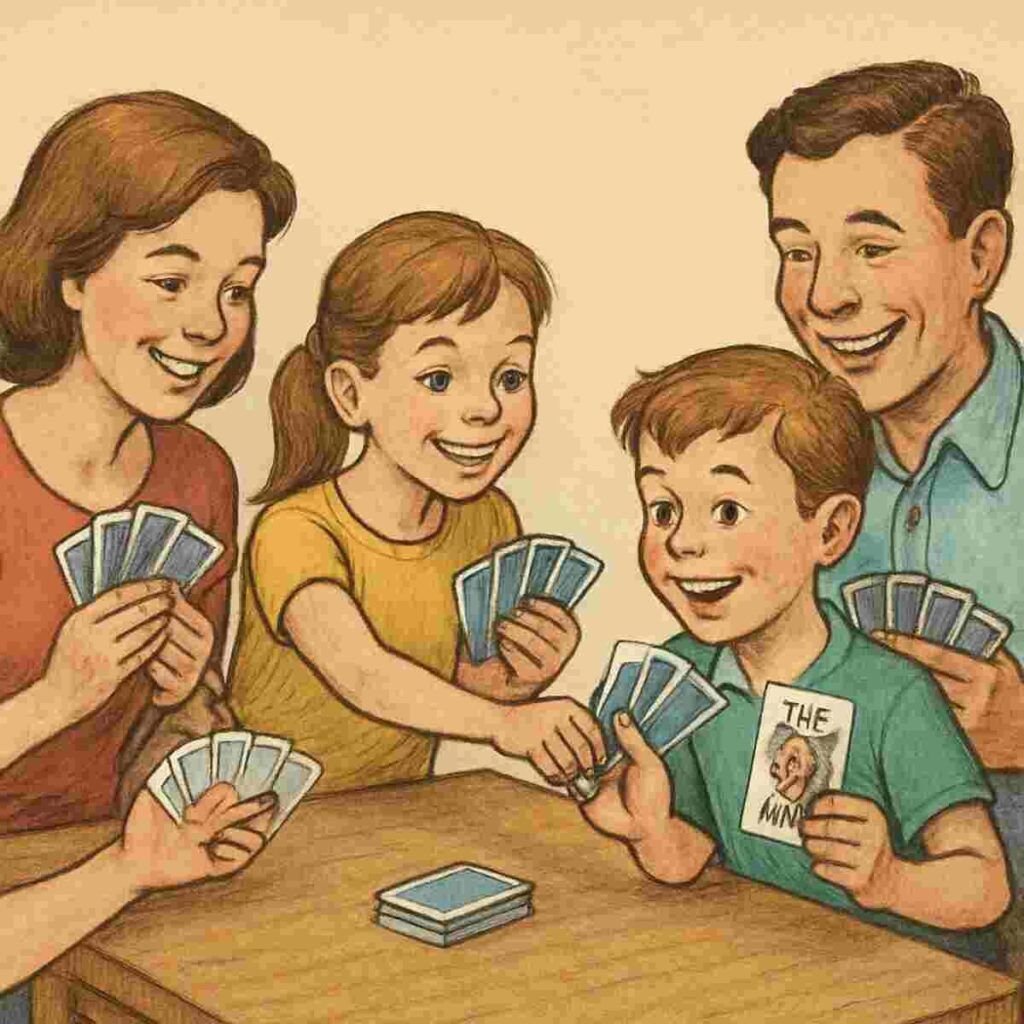
- Drawing Cards: The game begins with the dealer offering their hand, face-down, to the player on their left. That player randomly draws one card from the dealer’s hand. Drawing cards is a crucial part of the game, as it introduces uncertainty and requires strategic thinking. Players must decide carefully which card to draw, balancing their instinct with observation.
- Form Pairs Again: If the drawn card forms a new pair with a card in the player’s hand, they place that pair down with their other pairs. Forming new pairs is a moment of both relief and strategy, as it reduces the number of cards and potentially reveals information about the remaining cards.
- Next Player’s Turn: The player who just drew a card then offers their hand to the next player to their left. The process continues clockwise around the table. The rotation of turns keeps the game dynamic, as players continuously reassess their strategies based on the evolving situation.
The Role of the Old Maid
The key twist in Old Maid is that one card will not have a pair — the Old Maid. The player left holding this card at the end of the game is the “Old Maid” and loses the game. This unique aspect of the game adds tension and excitement, as players try to deduce who might be holding the dreaded card.
Ending the Game
The game continues until all pairs have been made, and only one card — the Old Maid — remains. The player holding the Old Maid is declared the loser, while all others are winners. The conclusion of the game often comes with a mix of relief and suspense, as players reveal their final cards.
Strategies for Winning
- Observe and Remember: Pay attention to the cards others are picking and discarding. This can help you remember which cards are still in play. Observant players can gain an advantage by noticing patterns and predicting opponents’ strategies, making it easier to avoid the Old Maid.
- Hide Your Reactions: Try not to give away any clues about whether you’ve drawn the Old Maid or not. A good poker face can be your best friend in this game. Maintaining a neutral expression keeps opponents guessing, which is essential for maintaining the element of surprise.
- Plan Your Moves: Consider the order in which you draw cards and discard pairs. Strategic planning can increase your chances of winning by minimizing the risk of ending up with the Old Maid. Players who carefully consider each move can manipulate the flow of the game to their advantage.
Variations of Old Maid
Old Maid can be customized to fit the preferences of the players. Here are a few popular variations. Customizing the game can add a new layer of excitement and creativity, making each session unique.
Using a Special Old Maid Deck
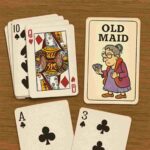
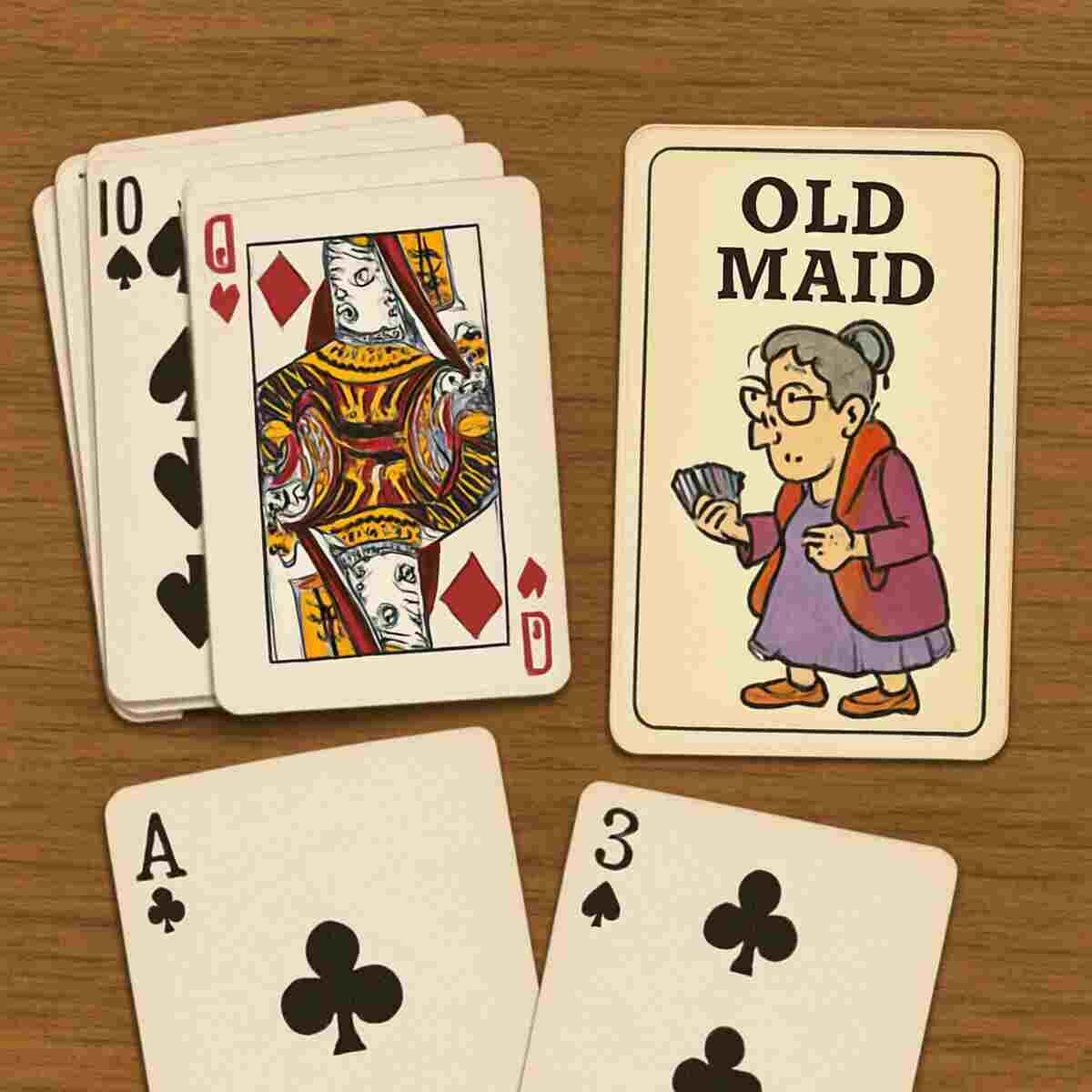
Some people prefer to use a specially designed Old Maid deck, which includes specific Old Maid cards and colorful illustrations. This can make the game even more fun, especially for younger players. Special decks often feature whimsical artwork and themes, enhancing the visual appeal and enjoyment of the game.
Changing the Old Maid Card
Instead of removing a queen, you can choose any card to be the Old Maid. This keeps the game fresh and unpredictable. Changing the designated Old Maid card adds an element of surprise, as players cannot rely on previous strategies and must adapt to new scenarios.
Playing with Themes
For added fun, assign a theme to your game. For example, you could play “Pirate Old Maid” and have players talk like pirates during the game! Themed versions of Old Maid can transform the game into an immersive experience, encouraging creativity and laughter among players.
Tips for Teaching Old Maid
Teaching someone how to play Old Maid is a breeze with these simple tips. Being a patient and encouraging teacher can help new players quickly grasp the game and start enjoying it.
Start with a Demo
Play a few rounds with open hands to demonstrate how pairs are formed and turns are taken. Demonstrations are a powerful teaching tool, providing new players with a clear understanding of the game’s mechanics. Visual examples help to clarify rules and reduce confusion.
Be Encouraging
New players might be apprehensive about making mistakes. Encourage them to have fun and not worry too much about winning or losing. A positive and supportive environment fosters learning and enjoyment, allowing players to focus on having a good time rather than on winning.
Simplify the Rules
For younger players, simplify the rules or play open-handed until they get the hang of it. Simplified rules make the game more accessible to younger audiences, enabling them to participate and enjoy the game without feeling overwhelmed.
Conclusion
Old Maid is an easy and enjoyable game that brings together players of all ages. Whether you’re playing with your family, friends, or even teaching it to kids, the game’s simplicity and charm make it a timeless classic. The laughter and camaraderie that Old Maid fosters make it a beloved choice for gatherings. So grab a deck of cards, shuffle them up, and get ready for some Old Maid fun! The game’s enduring appeal lies in its ability to bring people together, creating cherished memories along the way.
Now that you know the rules, you’re all set to deal the cards and dive into the laughter-filled world of Old Maid. Happy playing!