


Strategies to Win at Pass the Trash
Hey there! Ready to dive into the world of card games with a fun twist? Let’s talk about Pass the Trash, a simple yet addictive card game that can turn any gathering into a laugh-filled competition. Whether you’re a card game novice or a seasoned player, this guide will give you all the tips and tricks you need to become the champion of Pass the Trash. Check out riauterdepan.com to know more
First things first, what is Pass the Trash? This game is also known as “Trash” or “Garbage,” and it’s perfect for players of all ages. The objective is simple: be the first to arrange your cards in sequence from Ace to 10. It’s a mix of luck and strategy, and that’s what makes it so fun.
Pass the Trash has a rich history as a family-friendly game. Its simple rules make it accessible, yet it has enough strategic depth to keep everyone engaged. Originally played using basic household items, its transition to a card game has made it a staple in many homes.
What sets Pass the Trash apart is the delicate balance between luck and strategy. While drawing the right card is a matter of chance, how you choose to use your cards involves thoughtful planning. This duality keeps players coming back for more, as every game presents a new challenge.
The game’s appeal spans across different age groups, making it a favorite for family gatherings. Its rules are simple enough for children to grasp yet challenging enough to intrigue adults. This versatility allows it to bridge generational gaps, fostering bonding and friendly competition.
To play Pass the Trash, you’ll need:
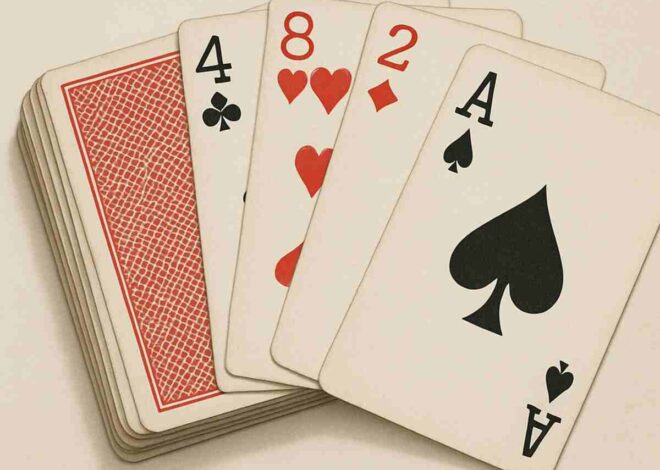
- A standard deck of cards (or two decks if you have more than four players)
- 2-6 players
- A flat surface to play on
Creating the right environment for the game is crucial. Ensure you have a spacious, flat surface like a dining table or a large coffee table. This will make it easier for all players to see and reach their cards, promoting a smooth flow of play.
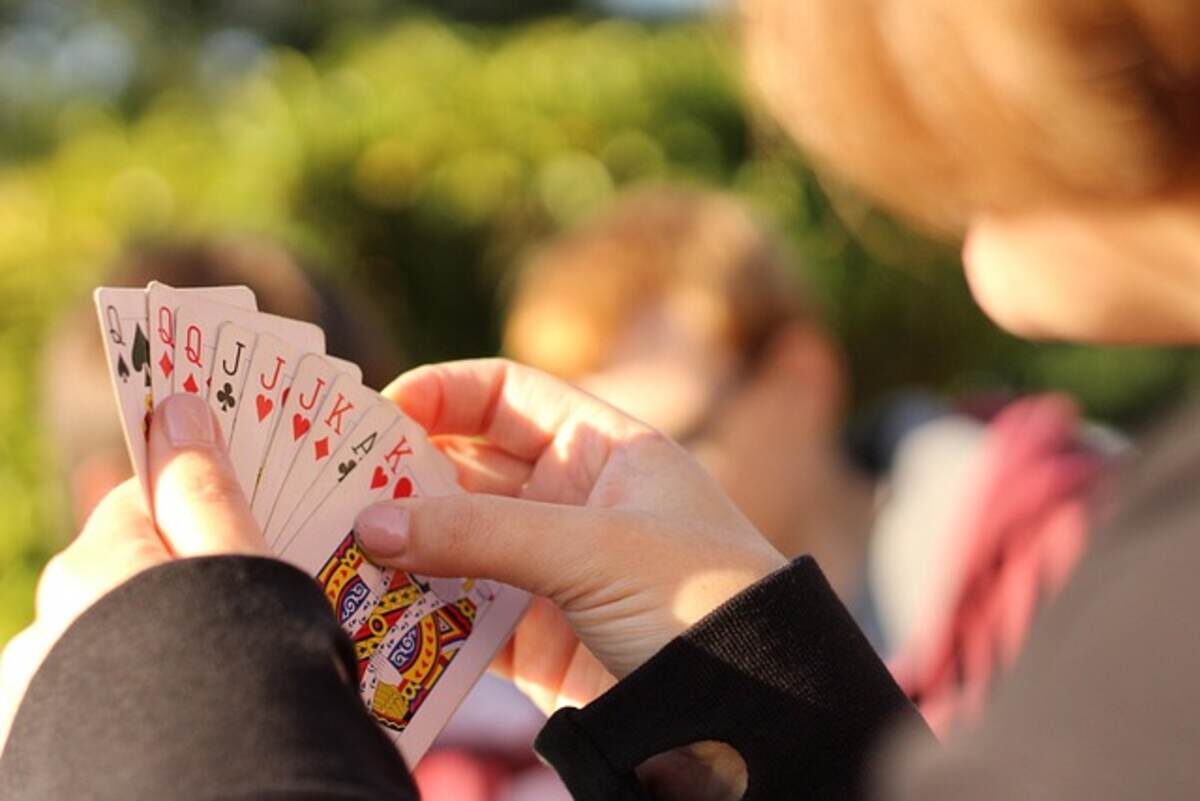
- Deal the Cards: Each player is dealt ten cards face down. Arrange them in two rows of five in front of you. The rest of the deck is placed in the center, forming a draw pile.
- Setting the Objective: Your goal is to be the first to flip all your cards face up in the correct sequence from Ace to 10. Easy, right? Make sure everyone understands this before starting to avoid confusion later in the game.
Before starting, it’s important to agree on any house rules you might want to implement, such as whether to use jokers or how to handle ties. Clear rules help prevent disputes and ensure everyone has a good time.
- Players take turns drawing a card from the draw pile.
- If the drawn card is a number between Ace and 10, place it in the corresponding position in your layout and flip over the card it replaces.
- Cards not needed can be discarded, creating a discard pile.
Drawing a card is more than just picking from the top of the pile. Consider your options carefully. If the card fits your sequence, it’s a straightforward decision, but if not, think about how discarding it might affect your strategy or benefit your opponents.
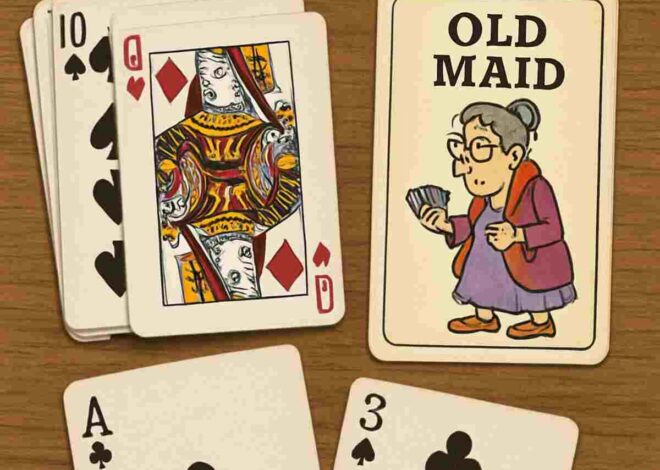
- Kings, Queens, and Jacks: These are “trash” cards. When you draw one, discard it and end your turn. Recognizing these cards quickly helps you avoid holding onto them, which could waste valuable turns.
- Jokers: If you’re using jokers, they can act as wild cards, substituting for any number you need. This adds a layer of strategy, as using a joker at the right moment can be a game-changer.
The first player to flip all their cards face up in the correct order wins the game. It’s that simple!
Once a player wins, it’s customary to celebrate their victory, but don’t forget to acknowledge everyone’s efforts. Consider playing multiple rounds and keeping score to determine an overall winner, adding an extra layer of competition.
One essential strategy is to keep track of the cards that have been played. This helps you anticipate which cards are likely to come up and adjust your strategy accordingly.
Enhance your memory by grouping cards into categories or creating mental associations. This can help you recall which cards have been played and which ones are still in the deck, giving you an edge over your opponents.
Watch your opponents’ moves closely. If you notice a pattern in their play, such as frequently discarding certain numbers, use this information to predict their strategy and adjust yours to counter it.
Stay flexible in your approach. If the game isn’t going in your favor, don’t be afraid to change tactics. Sometimes a complete shift in strategy is necessary to turn the tides in your favor.
Sometimes holding onto a card for too long can be a disadvantage. If a card doesn’t immediately benefit you, consider discarding it sooner rather than later. This keeps your hand fresh and increases your chances of drawing a useful card.
Weigh the pros and cons of discarding a card. Consider how it might benefit others if you let it go, and decide if the potential gain outweighs the risk.
The timing of your discards can greatly influence the game. Discard cards when it’s least beneficial for others to pick them up, such as when they’re close to completing their sequence.
Regularly cycling through your cards keeps your hand dynamic. This increases your chances of drawing the cards you need and keeps your strategy unpredictable to opponents.
If you’re playing with jokers as wild cards, use them strategically. Save them for positions that are harder to fill or when you’re close to winning. This can give you the edge you need to secure a victory.
Consider where a joker will have the most impact. Placing it in a position that completes a challenging part of your sequence can be a decisive move that leads to victory.
Don’t rush to use your jokers. They are valuable assets that can be game-changers, so save them for moments when they can provide the maximum benefit.
Use jokers to bluff your opponents. By placing a joker in a less critical position, you might mislead others about your hand’s strength and catch them off guard later in the game.
For a more challenging game, especially with larger groups, try using two decks shuffled together. This increases the number of cards and adds complexity to the game.
With more cards in play, keeping track becomes more challenging. Sharpen your memory skills and pay close attention to the cards that have been played to maintain a strategic edge.
The introduction of a second deck opens up new strategic possibilities. Experiment with different tactics and discover new ways to outsmart your opponents.
A double deck is perfect for larger gatherings. It allows more players to participate, making the game more inclusive and increasing the fun and excitement.
Introduce a speed element by setting a timer for each turn. This adds pressure and excitement, testing players’ quick-thinking abilities.
A timed round challenges players to make decisions faster, honing their ability to think on their feet. This can be a fun way to add a new dimension to the game.
Ensure everyone agrees on the time limit before starting. Keeping turns consistent helps maintain fairness and keeps the game enjoyable for all participants.
Quick rounds require streamlined strategies. Focus on the essentials and prioritize your moves to make the most of the limited time.
Explore other creative variations to keep the game fresh. Introduce unique rules, such as swapping cards with opponents, to add unpredictability and excitement.
Tailor the game to suit your group’s preferences. Customize rules to enhance enjoyment, ensuring everyone feels involved and engaged.
Rotate the role of game master to introduce new twists and keep the game dynamic. This encourages creativity and ensures no two games are alike.
Invite players to suggest their own variations. This fosters a collaborative atmosphere and helps everyone feel more invested in the game.
- Snacks and Drinks: Keep the energy up with some tasty snacks and refreshing drinks. This keeps everyone fueled and focused throughout the game.
- Music Playlist: Create a playlist of upbeat music to keep the mood lively. Music can enhance the atmosphere and make the experience more enjoyable for everyone.
- Prizes: Consider offering small prizes for the winner to up the stakes and encourage friendly competition. This adds an extra incentive for players to give their best effort.
Setting the right mood is essential for a successful game night. Dim the lights slightly, set up comfortable seating, and ensure everyone has a clear view of the playing area. The ambiance can greatly impact the enjoyment of the evening.
Make sure everyone feels included, regardless of their skill level. Encourage newcomers to join and offer guidance to those unfamiliar with the rules. A welcoming environment ensures a positive experience for all.
While competition can be fierce, remember to keep it friendly. Emphasize fun and camaraderie over winning, and encourage players to support and congratulate each other.
Pass the Trash is more than just a card game; it’s a fantastic way to bond with friends and family while sharpening your strategic thinking. Whether you’re playing at a casual gathering or a dedicated game night, these strategies will help you play smarter and have more fun. So grab a deck, gather your friends, and let the games begin!
Remember, the key to winning is not just luck but also a little strategy and a lot of fun. Stay open to learning from each game, and enjoy the process of becoming a better player.
Pass the Trash is best enjoyed when shared. Encourage friends and family to join in and spread the joy of this delightful game to others.
Each game is a new opportunity to refine your skills and strategies. Keep practicing, experimenting, and most importantly, have fun! Happy playing!